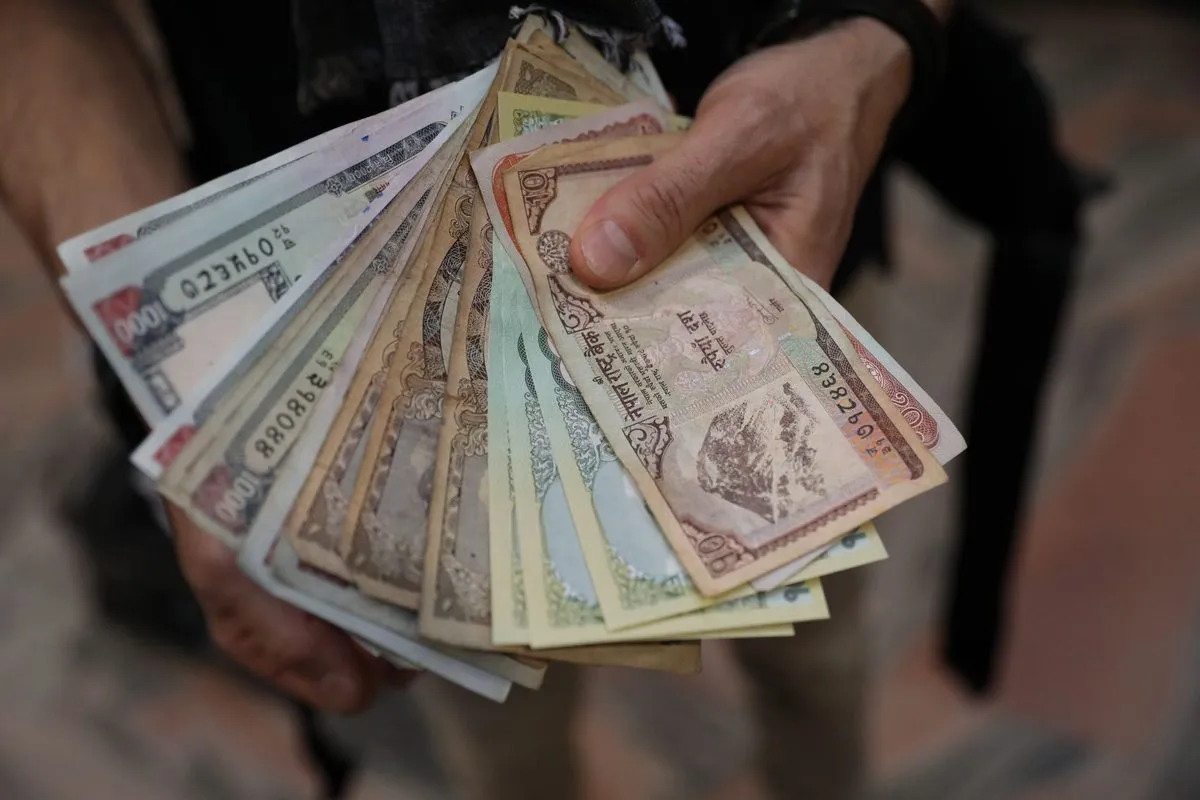
Short answerThere's no fixed price: you choose the budget, and Meta charges it in US dollars, because the Nepali rupee isn't one of its ad account currencies. Rs 1,000 is about USD 6.57 at Nepal Rastra Bank's selling rate on 21 October 2026, before bank charges. The number that matters is what one customer costs, which should stay well under what that customer pays you.
Ask ten people in Kathmandu what a Facebook boost costs and you’ll hear ten numbers. “Rs 500 is enough.” “You need Rs 5,000 a day.” “Boosting doesn’t work any more.” They’re all answering a different question.
So here’s the honest version, worked out in rupees and in the dollars Meta actually charges. We’ll cover what a boost costs, what to spend per month, why the price is in dollars, what decides the cost, and the one number that tells you whether the money worked. If you’d rather have someone run it for you, that’s what our Facebook ads agency in Nepal does, and we pay Meta for you so you pay in rupees.
How much does a Facebook boost cost in Nepal?
You decide. Meta doesn’t sell boosts at a fixed price. You set a daily or total budget and a number of days, and Meta spends up to that amount showing your post. Before you pay, it shows an estimate of how many people the post may reach for that budget.
The catch is the currency. Meta bills in dollars, so here’s what common rupee budgets actually are, at Nepal Rastra Bank’s USD selling rate on 21 October 2026 (Rs 152.19 per dollar):
Your budget in rupees
What Meta sees
Notes
Rs 500
about USD 3.29
a one-day test, at most
Rs 1,000
about USD 6.57
Rs 2,000
about USD 13.14
Rs 5,000
about USD 32.85
Rs 76,095
USD 500
the long-standing yearly limit of an ordinary dollar card
Your bank converts at its own card rate, which is usually a little above NRB’s, and some banks add a fee per payment or per reload. Check your bank’s tariff before you trust any rupee figure, ours included.
Why Facebook ads are priced in dollars
Meta publishes the list of currencies an ad account can use. The Nepali rupee isn’t on it, while the Indian rupee and US dollar are. So an ad account opened from Nepal runs in another currency, almost always US dollars, and every payment is a foreign currency payment.
That has two effects worth knowing before you start:
You need a card that can pay abroad. Many Nepali debit cards can’t, so the usual route is a prepaid dollar card from a Nepali bank.
The dollar card sets your ceiling. Under NRB’s long-standing rule, an ordinary individual can load up to USD 500 a year (IT businesses and foreign-currency earners can get more since April 2026; confirm with your bank). Spread over twelve months, that’s about USD 41.67, or roughly Rs 6,340 a month of ads, before charges. Enough to test. Not enough to grow.
Our dollar card guide compares the banks, the documents and the other ways to pay, including paying through an agency in rupees.
What decides the cost of a Facebook ad
Every time someone opens Facebook or Instagram, Meta runs an auction for the ad space in front of them. According to Meta’s own help page on ad auctions, the ad that wins isn’t simply the highest bid. Meta weighs three things:
Your bid: set automatically by your budget in most boosts.
How likely the person is to do what you asked: watch, message, click or buy.
The quality of the ad: ads people hide or report, or that use clickbait or engagement bait, lose.
So two businesses with the same budget can pay very different prices for the same result. In practice, four things move your cost the most:
What you ask Meta to get. A boost aimed at engagement finds people who like and comment, which is cheap. A campaign aimed at messages or purchases finds people likely to act, which costs more per result but is the result you actually wanted.
Who you’re reaching. A tight, popular audience (say, Kathmandu, 25 to 40) is contested by more advertisers than a wide one.
How crowded the moment is. In the weeks before Dashain and Tihar, many shops chase the same buyers, so the auction gets busier. Nothing about your ad changed; the competition did.
How good the ad is. A clear offer, a real photo and a reason to message today make people act, which Meta rewards with cheaper delivery.
Boost or a real campaign: which costs less per customer?
A boost is the quick button under a post. A campaign is built in Meta’s Ads Manager, which has many more settings (Meta’s help page on the difference between the two is in the sources below).
What that control means for cost:
Boosted post
Ads Manager campaign
Goals
a shorter list, such as engagement, messages and clicks
the full list, including leads and sales
Who sees it
basic targeting
your website visitors, past customers, people like them
Testing
one post at a time
several ads at once; the budget moves to the winner
Measuring
likes, reach, messages
enquiries and sales, when tracking is set up
A boost can have the lower price per result. A campaign can have the lower price per customer, because it can aim at the people who buy and drop the ads that don’t work. That difference is the whole game.
Work it out: what should one customer cost you?
Forget the boost price for a minute. Grab a calculator. The question is what one customer is allowed to cost.
Our rule of thumb: a customer won through ads should cost under about 30% of what they pay you. It’s a starting point, not a law. Thin margins need a lower line; customers who come back again and again can carry a higher one.
Let’s do one together. These are example numbers, not a quote:
What a customer pays you. An online clothing shop’s average order is Rs 3,000.
The most one customer may cost. 30% of Rs 3,000 = Rs 900.
What a message costs. The shop spends USD 20 (about Rs 3,040) and gets 50 messages. That’s about Rs 61 a message.
How many messages become orders. 1 in 8 buys, so 50 messages bring about 6 orders.
What one customer cost. Rs 3,040 ÷ 6 = about Rs 507. Under Rs 900, so this ad works. Spend more on it.
Now change one number. If only 1 in 20 messages buys, the same spend brings 2 or 3 orders, and each customer costs over Rs 1,000. The ad didn’t change; only the share of messages that buy did, and that depends on things like reply speed, price and stock. That’s why we look at how messages are answered before we touch the budget.
If you don’t know steps 3 and 4 for your own page, that’s the first thing to fix. Count the messages and the orders for two weeks, by hand if you have to.
The same sum works when a creator quotes you a fee for one post: our guide on what to pay an influencer in Nepal works it backwards from the fee.
How much should you spend on Facebook ads per month?
Enough for Meta to learn. Meta’s own advice is to give each ad set room for about 50 results in 7 days (50 messages, say, if messages are your goal). Below that, delivery stays in what Meta calls the learning phase, and results jump around.
Same example as above, where a message costs about Rs 61:
50 messages a week: 50 × Rs 61 = about Rs 3,050 a week.
A month of that: about Rs 13,000, before bank charges.
An ordinary dollar card: about Rs 6,340 a month. Half of what this one ad set needs.
So here’s how we’d plan it:
Stage
Monthly budget
What it’s for
Test
whatever two weeks of steady results costs you
learn your real price per message and how many buy
Run
enough for about 50 results a week, per ad set
let Meta learn, then judge the cost per customer
Grow
more, only while each customer stays under your limit
spend more on what already pays
Your price per message will differ from our example, so redo the sum with yours. If 50 results a week is far beyond your budget, aim at a result that happens more often (a message, not a purchase), or run one ad set instead of three.
How to boost a Facebook post in Nepal, step by step
This is how a boost works on a Facebook Page today. Meta changes the screens often, so the buttons may move, but the steps stay the same.
Pick the post. Choose one that already shows a product, a price or an offer, with a clear photo. Boosting a greeting or a quote buys likes, not customers.
Tap “Boost post” under it (on the Page, or in Meta Business Suite).
Choose the goal. If you want enquiries, choose messages (Messenger or WhatsApp), not engagement.
Choose the audience. Start with the area you can actually serve and the ages that buy. Leave interests broad at first rather than stacking many.
Set the budget and days. Read the estimated reach Meta shows, and change the budget until the numbers make sense for a test.
Add the payment method (your dollar card or another card that pays abroad) and confirm.
Reply fast. The money is spent the moment the message arrives. The sale depends on the reply.
Then write down the spend, the messages and the orders. That’s your first real data.
Thinking of boosting on TikTok instead? Read our guide to TikTok ads in Nepal first, because Nepal isn’t on TikTok’s lists of ad countries.
When boosting is a waste of money
To be fair, boosting isn’t always wrong. But it usually wastes money when:
The post doesn’t sell anything. Reach without an offer is a billboard nobody can act on.
Nobody replies for hours. The ad did its job when the message arrived. A reply the next morning often finds a buyer who has already bought elsewhere.
You can’t tell which customers came from it. If you can’t count it, you can’t improve it.
You boost something different every week. Each boost starts from zero, so nothing gets better.
If two or three of these sound familiar, fix them before you spend more. They cost nothing to fix.
How to pay for Facebook ads from Nepal
You need a payment method that works in dollars: a prepaid dollar card, a business account with foreign-currency income, or an agency that pays Meta for you and bills you in rupees. Never use a borrowed or shared card, because payment problems can get an ad account restricted. The full comparison is in our guide to dollar cards in Nepal, and if you also run search ads, our Google Ads cost guide works out that side.
The short version
A Facebook boost costs whatever you set, and Meta charges it in dollars: Rs 1,000 is about USD 6.57 today.
An ordinary dollar card allows about Rs 6,340 a month of ads. A steady campaign often needs more: plan for about 50 results a week per ad set.
The price per like or per message is the wrong number. The cost per customer is the right one, and it should stay well under what a customer pays you.
Better offers and faster replies lower that number more than any budget trick.
Want the full picture of your page, your ads and your replies? Take the free test, or see how we run Facebook ads in Nepal for businesses that want customers, not likes.
Frequently asked questions
What is the minimum budget for a Facebook boost in Nepal?
Meta sets a small daily minimum that depends on your account's currency and what the ad is paying for, and Ads Manager tells you if your budget is below it. In practice the minimum is rarely the problem. A budget that's too small to bring a single customer is.
How much does it cost to boost a Facebook post for 7 days?
Whatever you set. Seven days at USD 2 a day is USD 14, which is about Rs 2,130 at NRB's 21 October 2026 selling rate, plus your bank's card charges. Meta shows estimated reach before you pay, so you can compare budgets before you commit.
Why is my Facebook ad price in dollars?
Meta's list of ad account currencies doesn't include the Nepali rupee, so ad accounts from Nepal are set up in another currency, usually US dollars. Your bank converts rupees to dollars at its own rate when you load the card or pay.
Is a Facebook boost worth it for a small business in Nepal?
It can be, when the post already sells something specific, the audience is close to your buyers and someone replies to messages fast. Boosting a general post for likes rarely brings customers, however cheap the reach looks.
How much should a small business in Nepal spend on Facebook ads per month?
Enough for about 50 results a week per ad set, which is what Meta suggests for its delivery to settle. If a message costs you about Rs 60, that's roughly Rs 13,000 a month, about twice what an ordinary dollar card allows. Start with a two-week test to learn your own numbers.
Can I pay for Facebook ads in rupees?
Not to Meta directly. You need a card that pays in dollars, such as a prepaid dollar card from a Nepali bank, or an agency that pays Meta for you and bills you in rupees. Our dollar card guide covers both.
Why did my boost get reach but no messages?
Usually because the post asked for nothing, the audience was too broad, or the goal was engagement instead of messages. Meta optimises for the goal you pick, so a boost aimed at engagement finds people who like posts, not people who buy.
Web, SEO, ads and social media people at a digital marketing agency in Kathmandu. We check every number against its source and show our own screenshots where we can. How we write our guides · About us.
Not sure where to start? Take the free 2-minute test.
You get a score for your marketing, your business operations and your habits, plus what to fix in the next 30 days. Then we can study your website, social media and competitors for free.